Latest Stories

Teen’s AR-15 threat leads to school lockout in Long Beach, report says


Greater Long Island Sponsored
The Barkgata luxury dog hotel expands with second Long Island location


Great Day: See photos from Nassau PD’s 100th anniversary parade

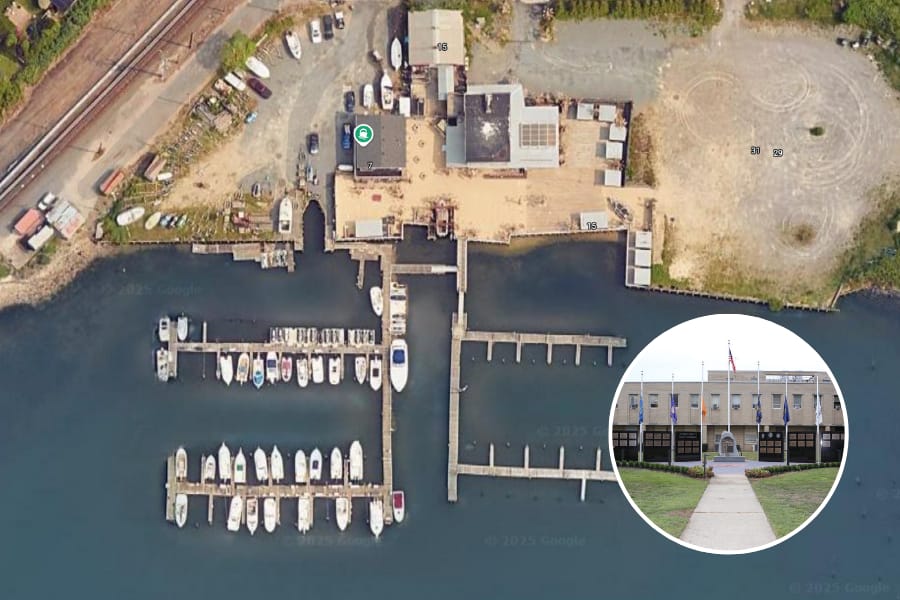
Youth found dead off Island Park dock had been beaten, stabbed

Nassau County PD plans huge parade in Wantagh for 100th anniversary


Greater Long Island Sponsored
The HVAC hustle that built a Long Island family empire in GallettAir Inc.

Support grows for young Long Island woman battling cancer

Greaterlongisland.com is now fully covering news from Nassau County

Obit: Long Island’s Elly Colon, 23, was a ‘brilliant’ researcher and mental health voice

State awards Long Beach $1.45 million for boardwalk enhancements

Road rage app developed by LI’er aims to make streets safer

Ulta to open two new Long Island stores in Selden and Oceanside

Long Island’s Billy Crystal loses longtime California home to wildfires
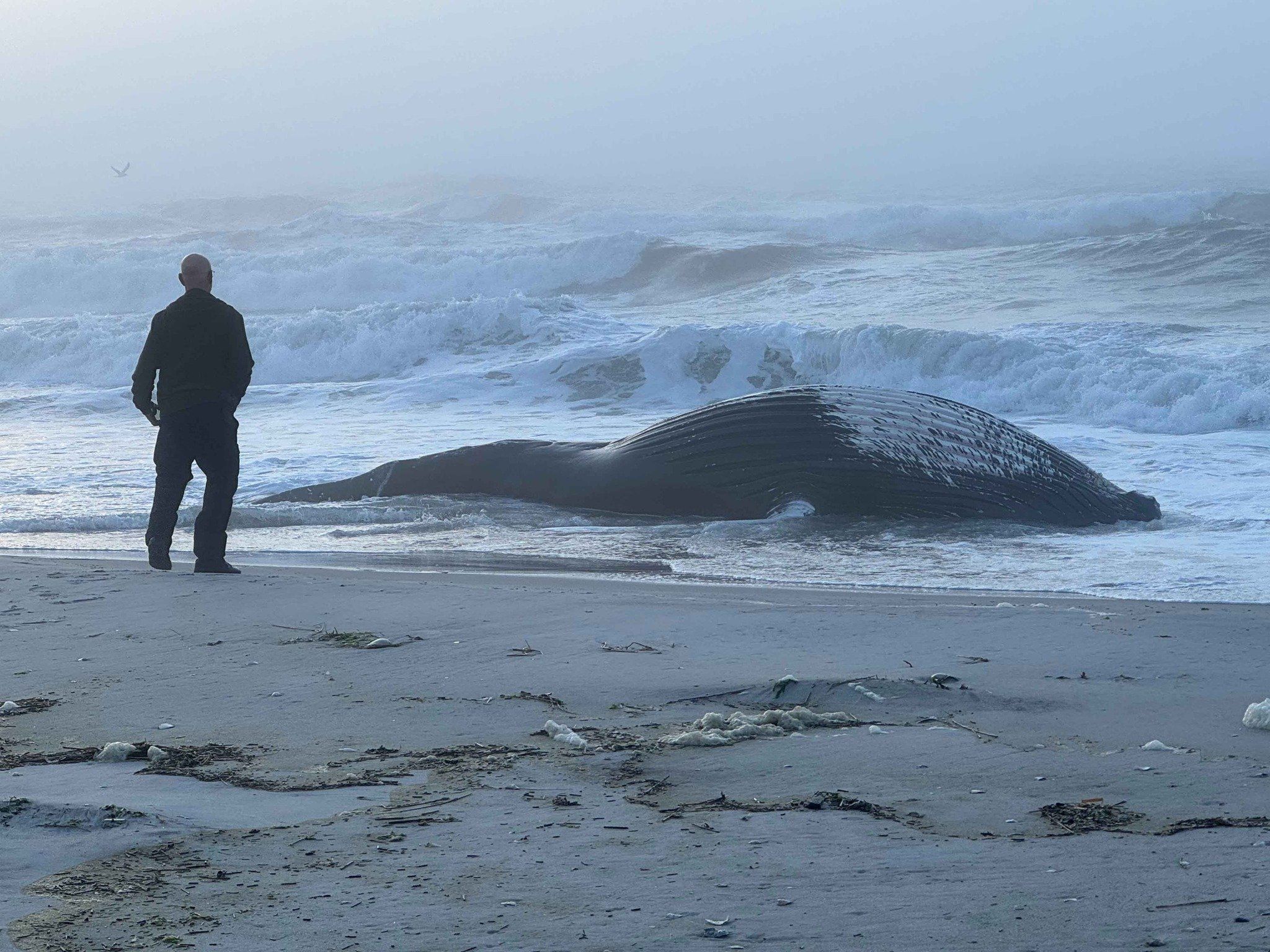
Juvenile whale discovered washed on Long Island beach

Long Islander pleads guilty to openly selling guns outside his home

GLI publisher launches brand-new newsletter for Long Islanders


The TikTok-famous Dolce Bella announces opening date in Oceanside

Long Beach native brings new dining experience to East Rockaway


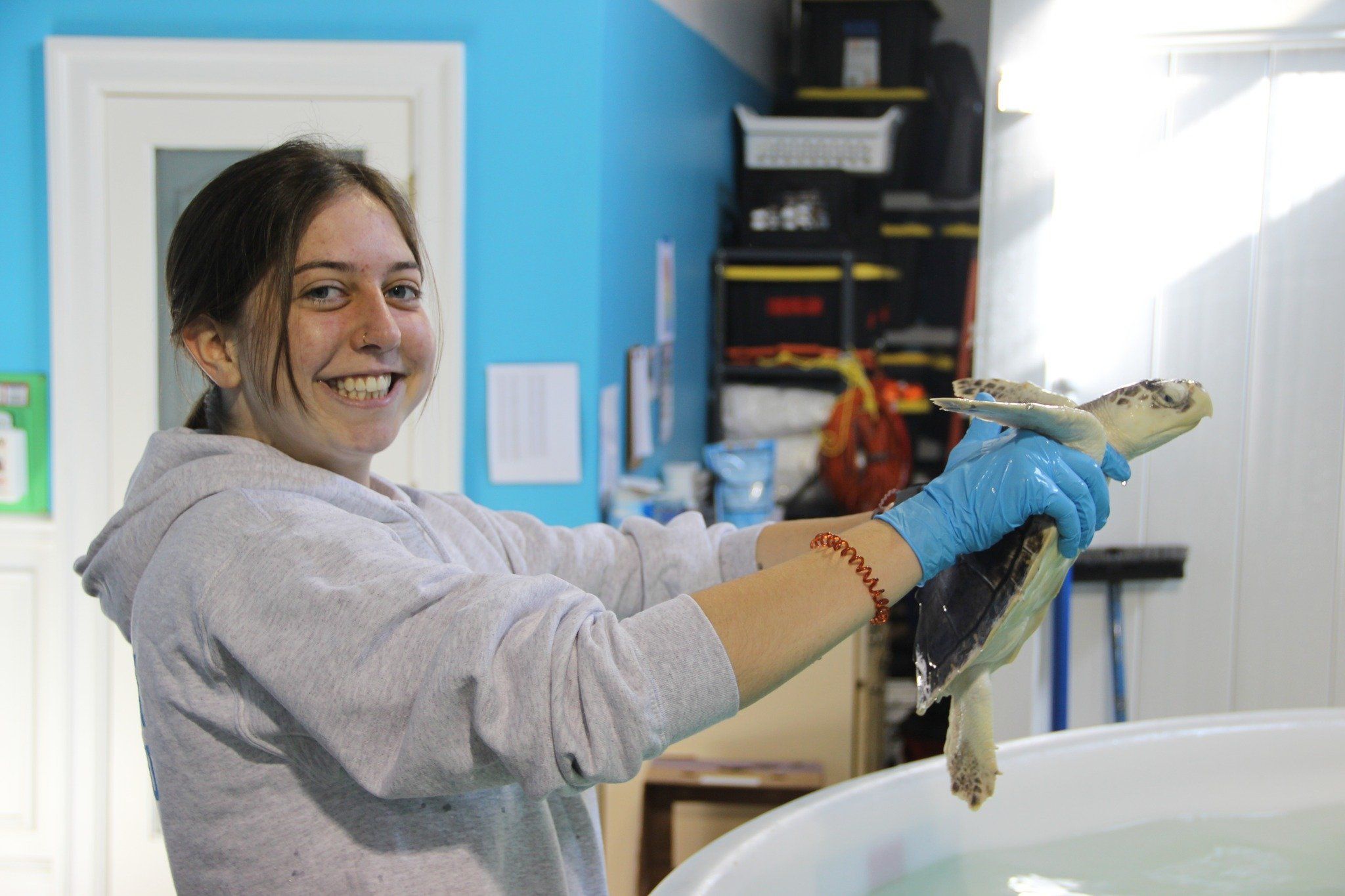
Four more sea turtles head back to the beach this month across Long Island

Greater Long Island Sponsored
It started as a hobby. The K9 Shop is now a Long Island phenomenon

‘Hawk Tuah Girl’ set to spit fire at Long Island club bashes July 13-14
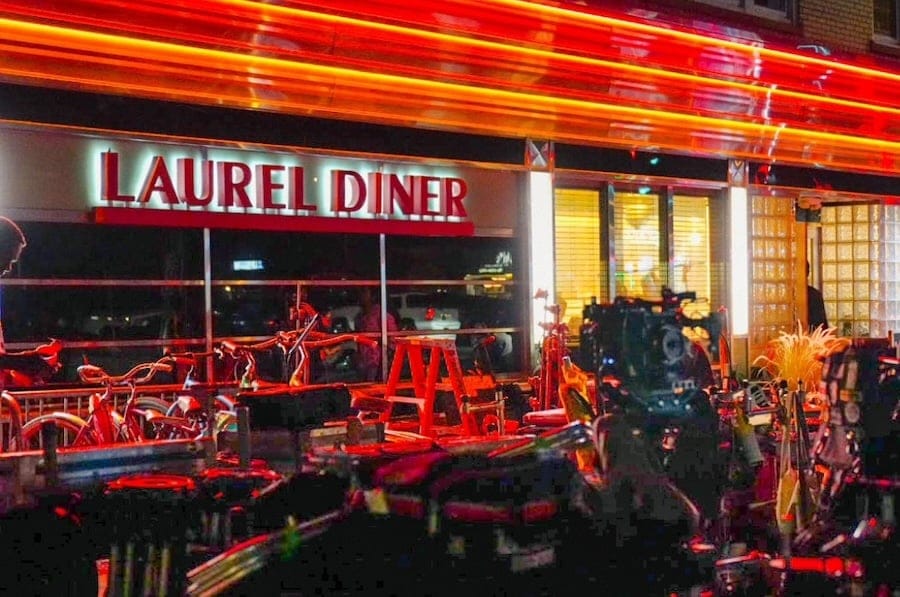
Netflix hit show ‘You’ seen filming in popular Long Beach diner
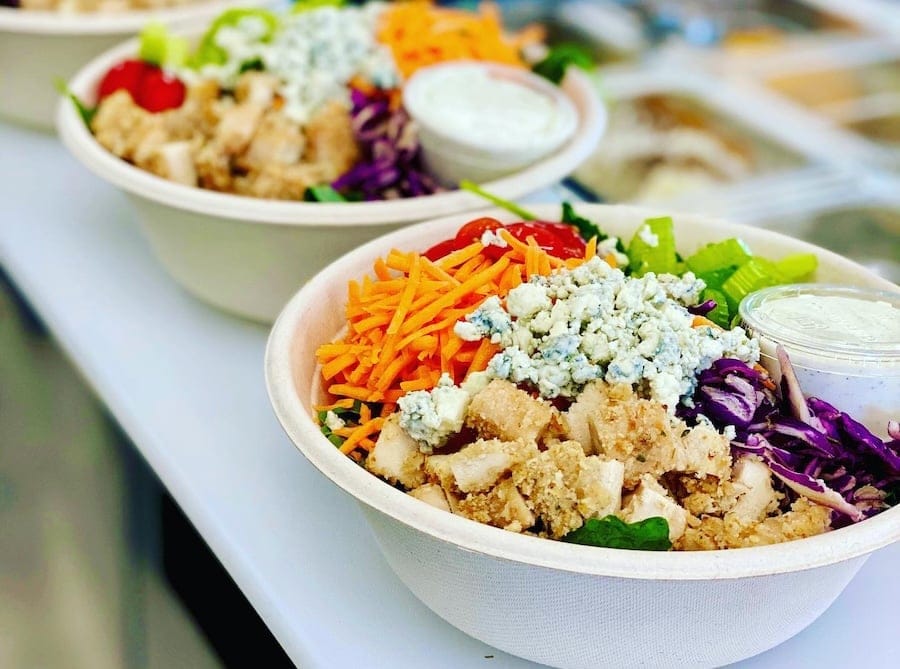
The Green Fork adds new healthy dining option to Long Beach

Greater Long Island Sponsored
Long Island dog training facility transforms lives for thousands of dogs and their owners

Download the updated Greater Long Island News app for iPhones

Burlington is in growth mode and its next LI store is slated for Oceanside

Nassau’s new marketing agency unveils county tourism website

Long Island’s fifth Crumbl Cookies location is now open

Bethpage Air Show marks 20th anniversary with Blue Angels performance

Nominate your favorite dishes for GLI’s first-ever Foodie Awards

NYPD widow Stephanie Diller delivers powerful eulogy at husband’s funeral

Bagel Bites: Boardwalk Bagel in Atlantic Beach likes to go big


Greater Long Island Sponsored
Bango Bowls is about to become a household name across the Tri-State
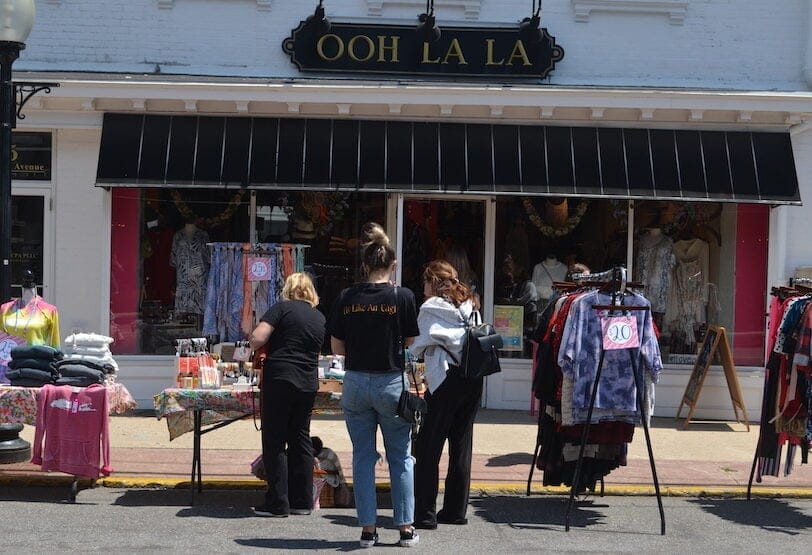
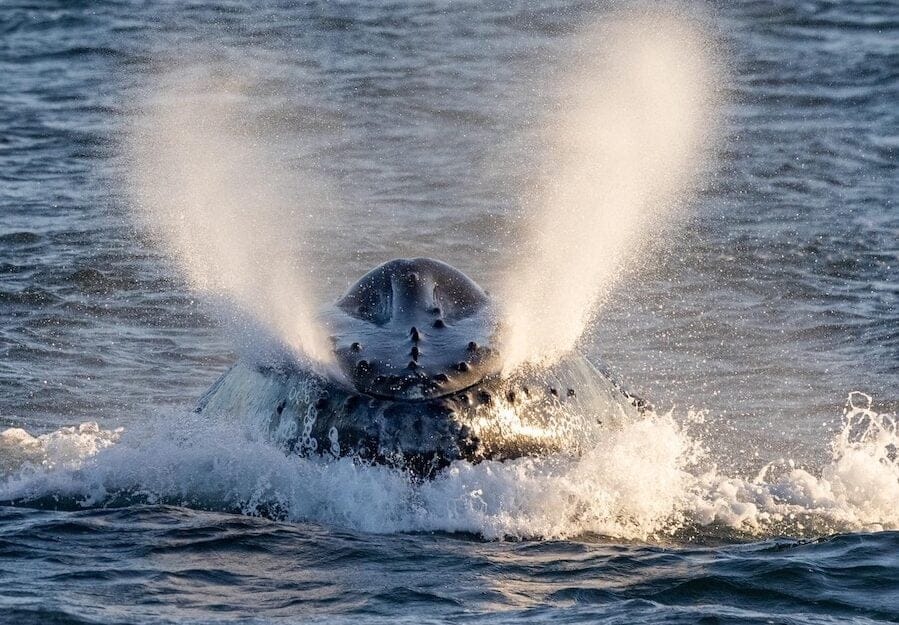
Must-see: LI photog captures stunning whale footage near Long Beach

Blue Angels a lock for Jones Beach air show 20th anniversary performance

Taylor Swift-inspired popup dining experience comes to Long Beach
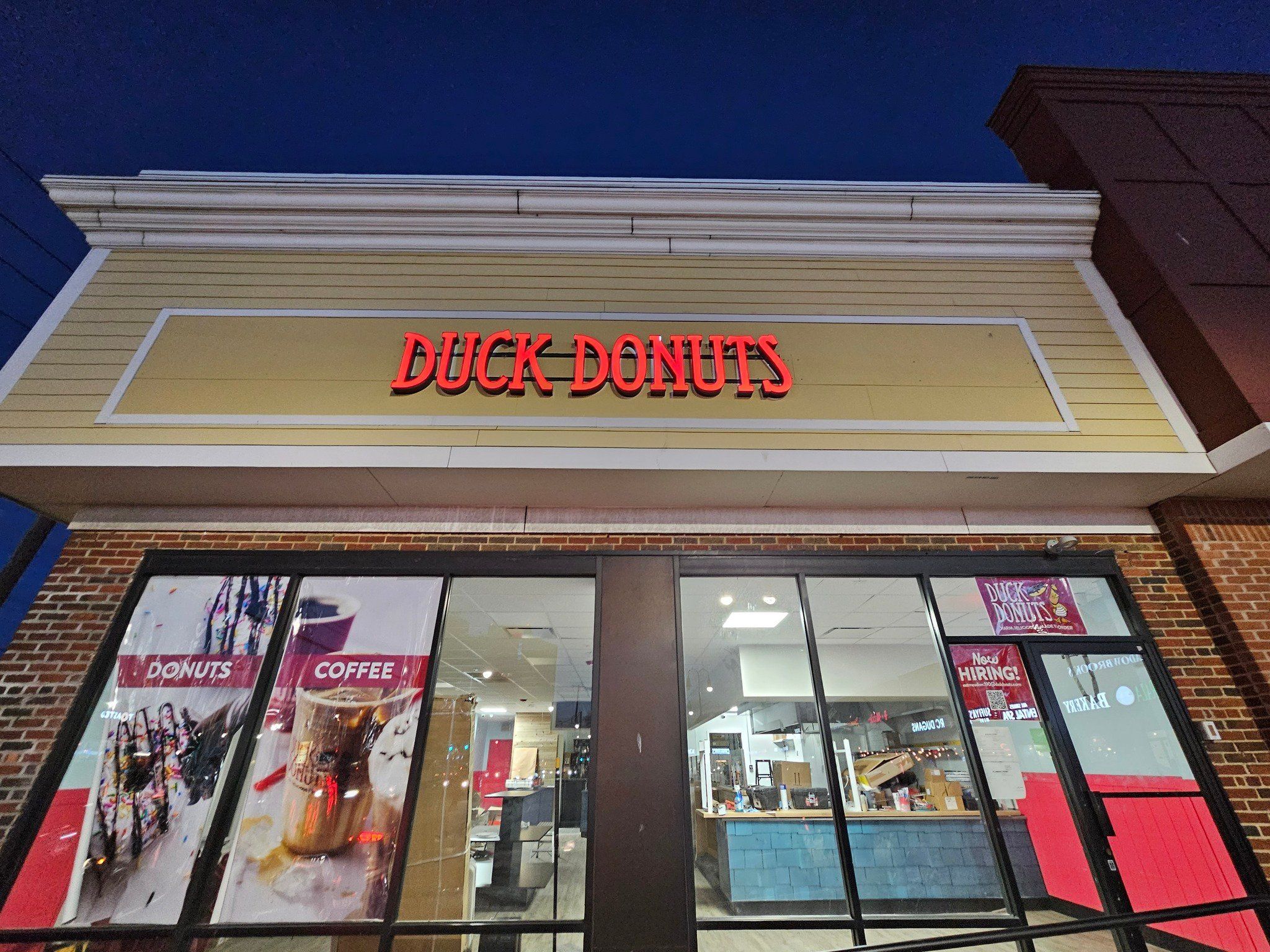
Duck Donuts has opened its doors in East Meadow, marking its 4th LI spot

Greater Long Island Sponsored
‘Can Greater Long Island help promote my event?’ We certainly can
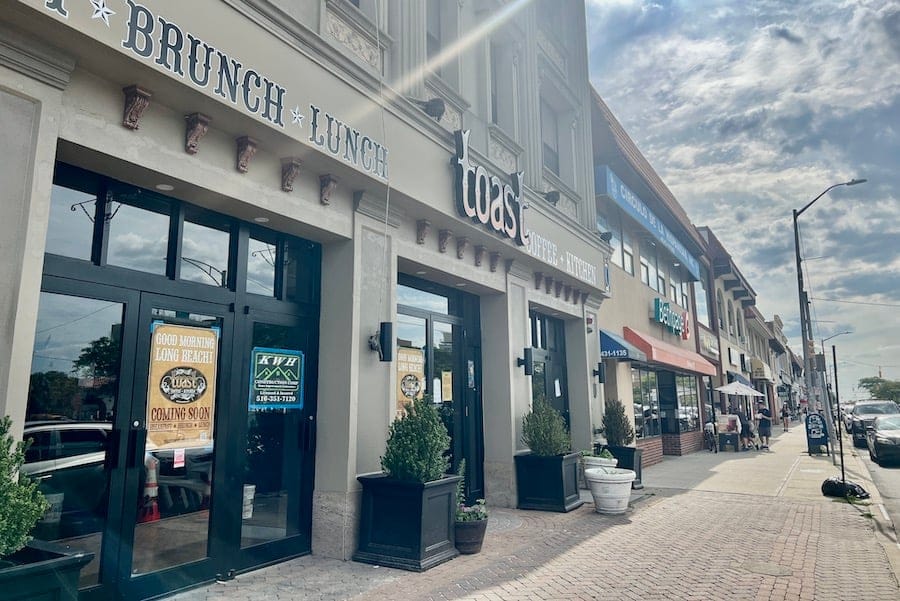
Toast Coffee + Kitchen debuts in Nassau with opening in Long Beach

Shake Shack sets opening date for Oceanside location

Obituary: Vincent DiCarlo Sr., 85, founder of LI’s DiCarlo Food Service